
The Vagus Nerve – The Body's Key to Self-Regulation Through Facial and Neuro Reflexology
by Lone Sorensen
Manual access to the vagus nerve through Facial and Neuro Reflexology offers a clinically well-documented approach to restoring systemic balance across the body's neurological, electrical, and emotional systems.
When people talk about innovation in therapy, they tend to think of new tools or technologies. But real progress often comes from what we have overlooked — from learning to connect the body's systems in ways we have not yet fully used. Among these systems, the vagus nerve stands as the central regulator of health, emotion, and function. It is the tenth cranial nerve — the longest and most complex — and it connects the brainstem directly to nearly every vital organ: the heart, the lungs, the digestive system, and the kidneys.
Despite its enormous significance, very few therapeutic approaches can reach and influence it effectively and safely through manual techniques.
The Vagus Nerve — The Body's Internal Regulator
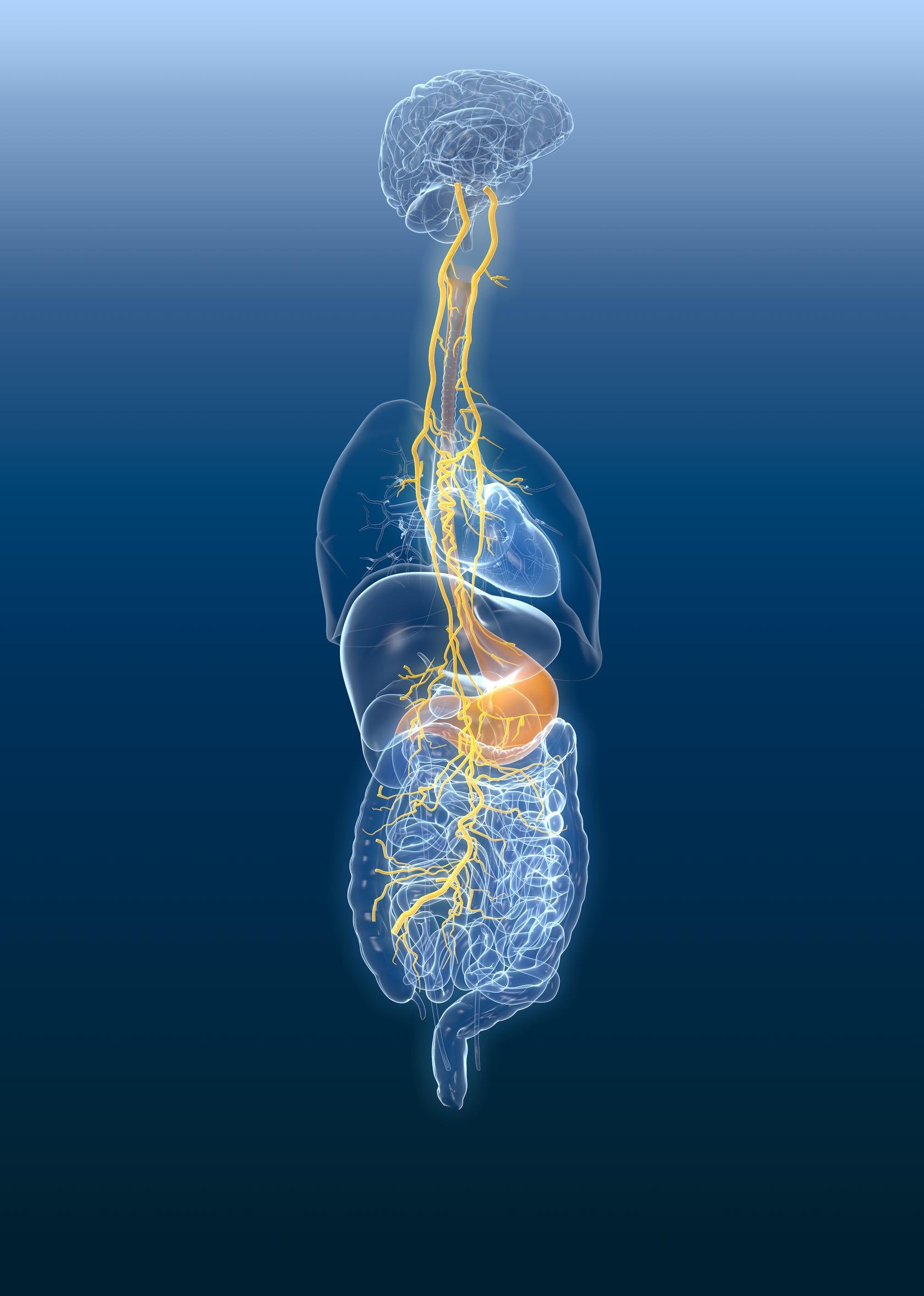
The vagus nerve is both motor and sensory. It carries constant information between the brain and the organs. It activates the relaxation response after stress, regulates heart rhythm and digestion, and governs how we process emotions and trauma.
When its electrical activity is disrupted — through injury, stress, toxicity, or emotional overload — the entire system is affected. Symptoms can range from arrhythmia, chronic inflammation, and digestive disorders to anxiety and emotional instability.
In facial reflex therapy, this nerve is not merely an anatomical curiosity — it is a gateway to systemic regulation. Understanding how to reach it through targeted manual stimulation opens the possibility of restoring balance where conventional approaches often reach their limits.
Facial Reflex Therapy as a Path to the Vagus Nerve
Through decades of clinical work with Facial Reflex Therapy, Neuro-Foot Reflexology, and auricular stimulation, it has become clear that the vagus nerve can be influenced through specific microsystems in the body. Each system offers a distinct neurological point of entry.
Facial Reflex Therapy activates cranial nerve reflexes connected to the vagus and stimulates the brainstem and limbic regions through precisely mapped points on the face. Neuro-Foot Reflexology influences peripheral reflexes that correspond with vagally innervated organs and balances the electrical impulses between the gut, the heart, and the brain. Auricular ear stimulation connects directly with the auricular branch of the vagus nerve — one of the few external sites where the nerve can be reached non-invasively.
When these techniques are combined in the correct sequence, they create a synchronised influence across the body's neurological and autonomic networks. This is not relaxation — it is a recalibration of communication between the brain and the organs.
The Foundation — Preparing the System
In my clinical approach, vagal stimulation always begins with a foundational treatment. This base sequence stabilises the autonomic nervous system before specific stimulation begins. Without this preparation, the body may respond with tension or dysregulation, because its internal regulatory capacity has not yet been brought into alignment.
The base sequence includes stimulation of reflex areas connected to the reticular formation, limbic circuits, and vagal nuclei. Once these areas are balanced, further microsystem activation can be carried out safely and effectively.
This step is not optional. It ensures that every subsequent technique interacts with a nervous system that is ready to receive and integrate change.
Clinical Applications and Measurable Outcomes
When the vagus nerve is stimulated correctly through neuro reflexology, measurable improvements in both physical and emotional regulation can be observed. Documented outcomes across clinical practice include reduced spasticity and improved motor control in children with brain injury, decreased seizure frequency in epilepsy, normalised digestion and bowel function in functional gastrointestinal disorders, reduced inflammation in autoimmune and degenerative conditions, and improved sleep, emotional stability, and resilience in cases involving trauma and PTSD.
These outcomes are not theoretical. They are grounded in more than four decades of clinical practice and case documentation from therapists trained in Lone Sorensen's methods worldwide.
The mechanisms behind these results are supported by neuroscience. Neuro reflexology activates the cholinergic anti-inflammatory pathway — a vagal process that inhibits the release of pro-inflammatory cytokines and re-establishes the body's natural self-regulation.
A Systemic Perspective — Beyond Local Treatment
These outcomes point to something the method has always held as central: the body does not function in separate parts. Mainstream complementary medicine often divides it into isolated areas — muscles, emotions, organs — and treats each independently. But the body operates as an integrated network of neural, hormonal, and electrical communication.
The vagus nerve is at the centre of that network.
Learning to influence it through manual, non-invasive techniques makes it possible to restore functional coherence between systems that conventional medicine typically treats as unrelated. Working with the vagus nerve is not a wellness trend — it is a clinical necessity. It is the difference between temporary symptom relief and lasting neurological regulation.
Reflex therapy, when applied with precision and anatomical understanding, gives practitioners the tools to work at this level of integration.
The Vagus Nerve and the Gut-Brain Connection
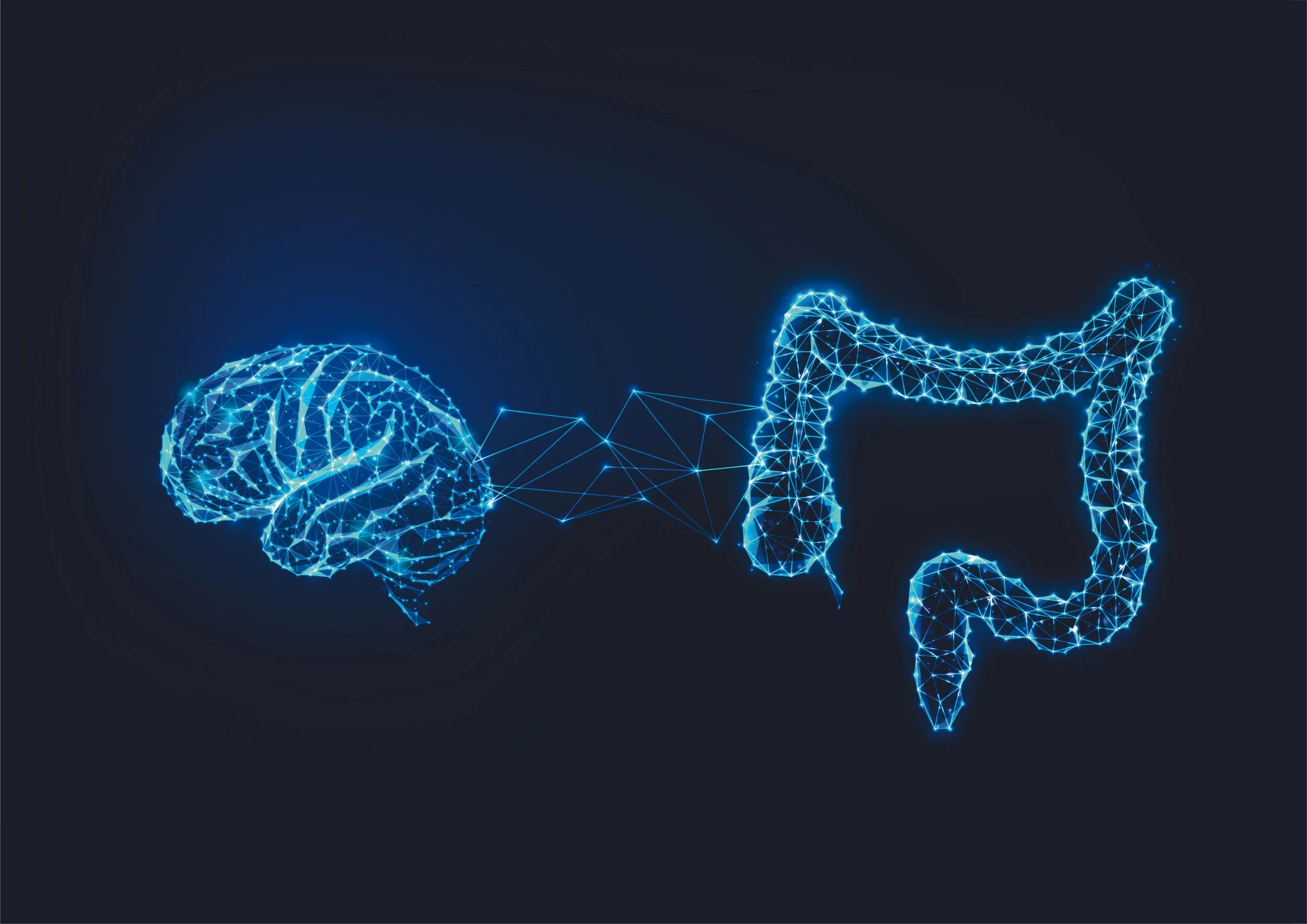
The vagus nerve forms the primary pathway of what is known as the gut-brain axis — a continuous exchange of neurological and biochemical signals between the central nervous system and the digestive system. More than 80 percent of the nerve's fibres carry information from the gut to the brain, which means the condition of the gut substantially shapes our emotional and mental equilibrium.
When vagal activity is weakened by stress, trauma, or dysbiosis, the consequences can include irritable bowel syndrome, anxiety, depression, and chronic inflammation. Through targeted neuro reflex stimulation, the therapist can reactivate this communication pathway, improve gut motility, and strengthen the parasympathetic system — restoring digestive function, immune regulation, and emotional stability in concert.
This connection makes the vagus nerve a central therapeutic reference point in modern reflex work.
Working with the vagus nerve through facial and neuro reflexology is not simply a technique. It is a way of restoring the body's natural communication between brain, organs, and nervous system — and with it, the conditions for genuine functional recovery.
***
About the Author
This article was written by Lone Sorensen — founder of Method Lone Sorensen and the International Institute of Neuro Reflexology, and the woman who developed Facial Reflex Therapy and its associated methods over nearly 50 years of clinical and educational work. She has trained practitioners and instructors across more than 40 countries. To learn more about her work, visit facialreflexologyschool.com
I, Jasmina Kotorac, am certified by Lone Sorensen as both a practitioner and instructor in Facial Reflex Therapy and Japanese Face Lifting, and am authorized to teach these methods to other practitioners. I hold the full Facial Reflexology diploma, the Temprana Brain Rehabilitation diploma, and advanced certifications across a range of specialized protocols — and am the only practitioner in Australia to have completed the Temprana training.
If you would like to learn these methods, feel free to reach out to me by email at: northwestreflexology@gmail.com or call me at : 0431 646 665