

Facial Reflexology Course
Sorensensistem™ — Original Method Lone Sorensen
I run this course periodically throughout the year. If you would like to be informed when the next date is confirmed, send me a message and I will add you to the list.
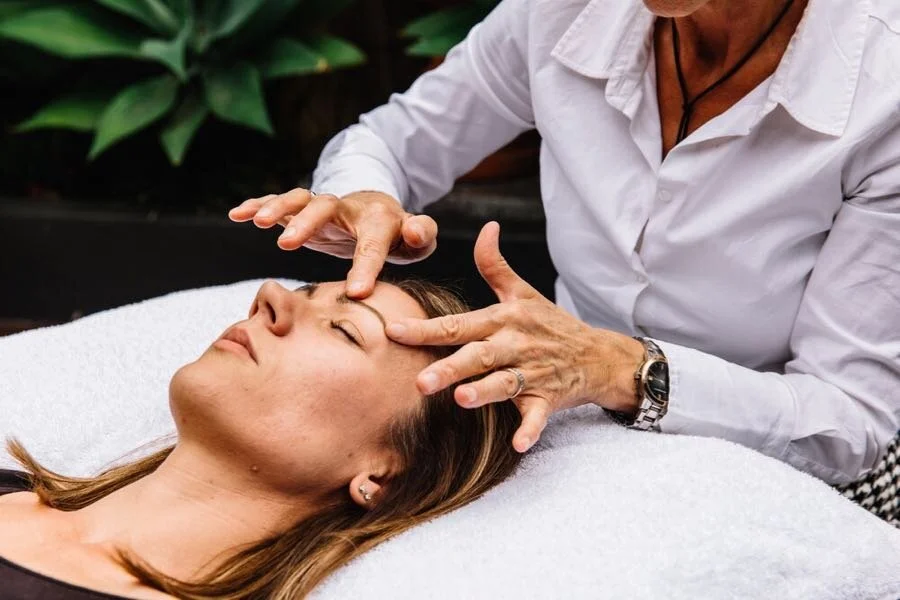
Facial Reflexology Course
Facial Reflexology Therapy is a neurological treatment method that works by stimulating specific reflex areas and nerve points in the face. Through precise manual stimulation, the method supports the body's regulatory mechanisms — affecting the nervous system, organ function, and hormonal processes.
What the method is
The face contains 564 documented neurological points, organised across multiple microsystems. By working through these systematically, a trained therapist can identify where imbalance originates — not just what symptoms are present — and build treatment protocols that address the underlying cause.
The method combines nerve reflex systems, meridian theory, Tibetan medicine, and applied neuroscience. It draws on microsystem research from Dr. Yamamoto (YNSA, Japan), Dr. Castillo Morales (Argentina), Dr. Chau (Vietnam), Dr. Wong (USA), and Dr. J. Bossy (France).
Course content
The course follows the five-level structure of the Original Method Lone Sorensen, taught progressively as a live hands-on training.
Level 1 — Foundations
The seven-phase base treatment. Tissue analysis, identifying deposit grades, and building treatment rhythm. Meridian stimulation, lymphatic work, and hemisphere coordination.
Level 2 — Cause and Protocol
Meridian theory and the connections between the face, organs, hormonal system, and central nervous system. How to move from symptom to cause and build individual treatment protocols.
Level 3 — Neurological Work
The 564 nerve points and their clinical application. Muscle stimulation techniques for facial palsy, motor impairment, and speech and swallowing dysfunction. Visual face analysis.
Level 4 — Hormonal and Autonomic Regulation
The gut–brain connection, vagus nerve stimulation, and hormonal balance via reflex zones. Advanced microsystem techniques including YNSA.
Level 5 — Advanced Protocols and Clinical Practice
Acute conditions, deep causal treatment sequences, and how to structure sustained clinical work with complex clients.
Level 6 — Clinical Integration
Supervised practical application of the full method. You apply what you have learned across all levels in structured clinical practice.

Learning outcomes
By the end of the course, you will be able to:
Explain the neurological and systemic basis of Facial Reflexology
Identify and work with key reflex areas and nerve points across multiple microsystems
Apply manual techniques for both therapeutic and functional use
Build structured, individualized treatment protocols
Work with a range of conditions including stress, neurological imbalance, hormonal disruption, and emotional dysregulation
Maintain professional and ethical clinical standards
Who this course is for
The course is designed for qualified therapists — reflexologists, massage therapists, physiotherapists, psychotherapists, and related practitioners. No prior experience in facial reflexology is required. Techniques and theory are taught step by step.
Practitioners with a background in complementary health will find the method integrates naturally into existing clinical work.
Assessment and certification
Participants complete written assessments across the levels and submit a documented client case. A diploma is issued upon successful completion, certifying you as a Facial Reflexology Therapist trained in the Original Method Lone Sorensen.
The course is approved for RAB continuing education hours.

Taught by Jasmina
Australian School of Facial and Neuro Reflexology
264 Keilor Rd, North Essendon 3041, Melbourne
Lone Sorensen's approved school in Australia

